
By Ian Ortega
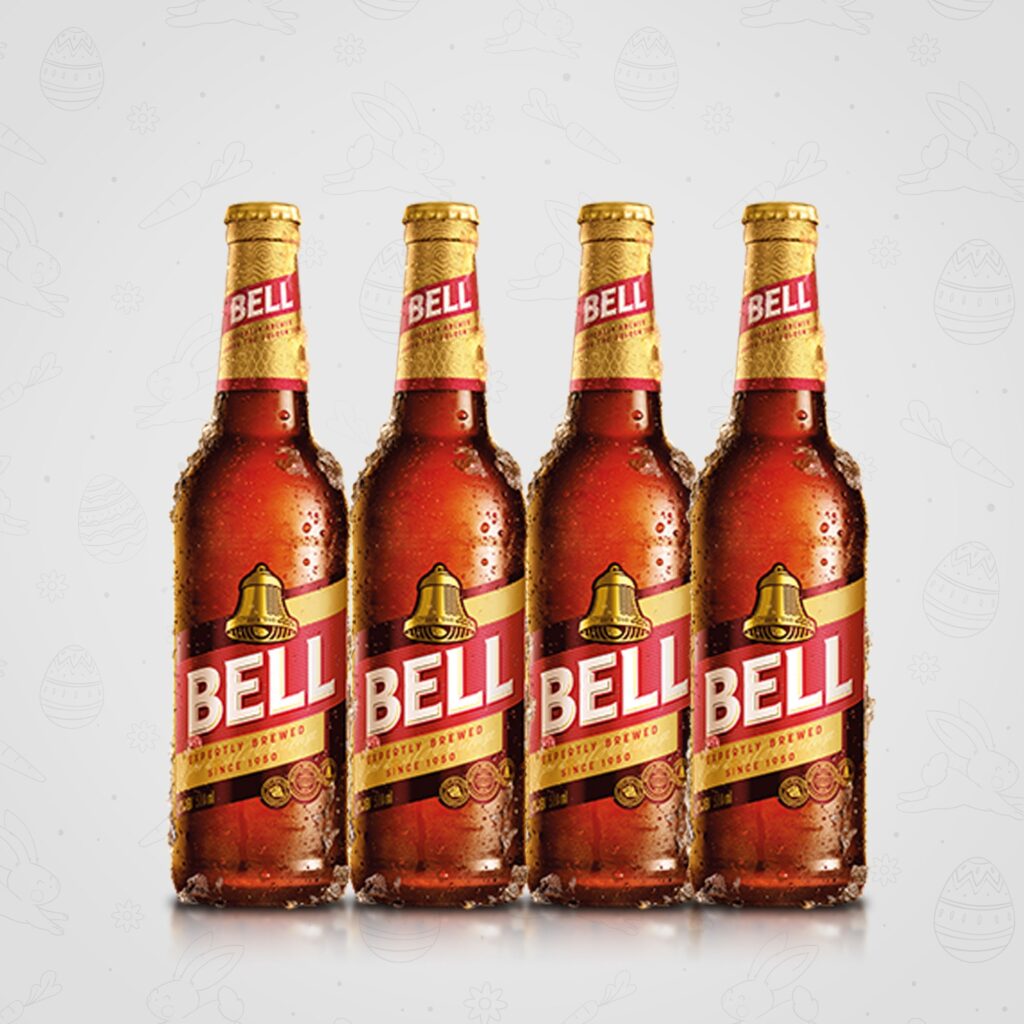
An idea is just 1% of the work, execution is 99%. I have been looking back to my youthful days as an Innovation Project Manager at Uganda Breweries Limited/Diageo soon to become Asahi Breweries. One of the Innovations we worked on was the smaller stock-keeping units (SKUs) of Bell Lager and Pilsner Lager.
Our task was to produce the 330ml version of the two brands. But execution starts to teach you that many things must be held integral. In our case, the liquid was not something to worry about, we were just extending it into smaller bottles.
But then came issues with the pack. First of all, we had to find a bottle that was not patented. And once you found the bottle, you had to go through the trouble of making an early order to Consol or Kioo, the most prominent glass manufacturers in the region. Here’s the complexity, glass manufacturers run colour campaigns. For example, they will run the Amber/dark glasses for a given period, then they will shift to flint/clear glass, before shifting to green.
If you miss a schedule, it means you will hold up your entire project waiting for glass. As you order for glass, you also have to contact the manufacturing line supplier (in this case Krones) to ask them to produce you change parts. Those days change part production used to take about 3 months.
And while at it, you begin the label development work. Ideally, you should have landed final label dimensions before reaching out to the change parts supplier. Once you’ve settled on the label concept, it’s time to also coordinate with the label supplier. In this case, someone such as Graphic Systems. They would then have to also factor in three weeks to procure new label cylinders.
At this time, you move to the finance people and start doing the volume simulations, 3 to 5-year volume projections. They would also do the costing and finally the pricing. Same time, the marketing team starts to engage the agencies for launch strategies. How do you position this Bell-Mini? Not forgetting that this would also require UNBS certification (in case of products that are not mere extensions).
By the time one would get to launch a new product, there would be many things they had to keep integral, ensuring that none of those goes wrong.
I have a theory on success and failure. Success requires many things to all go right at the same time. Failure only requires one thing to go wrong.
Take an example of Black Bell (a hoppy version of Bell Lager), I remember it as the beer that was ahead of its time. It was crafty, tastier, had great mouthfeel, was probably the first brand in Uganda to use influencers but it didn’t pick up as expected. It had to be delisted.
These days, I am not fascinated by ideas, I am fascinated by the route it takes to convert that idea into something tangible, to get that product on the shelf. That’s the hardest part, and those who ignore it always learn the hard way. Thus, when people complain sometimes that big corporations stole their ideas, I always say, there’s a high chance you would never execute on your idea the way they did. Not to condone idea theft, but converting an idea is a game of its own, few can do it.